The Complete Guide to Deck Installation: Expert Step-By-Step Tips From the Pros
The Comprehensive Guide to Deck Installation presents a systematic method for building an outdoor living area. It covers vital elements such as essential tools, planning, and material selection. Each step is designed to streamline the setup process, allowing homeowners to accomplish a professional finish. Still, even skilled DIY hobbyists can fail to notice frequent errors. Recognizing these errors can be crucial for a successful project. Explore what these missteps are and how to avoid them.
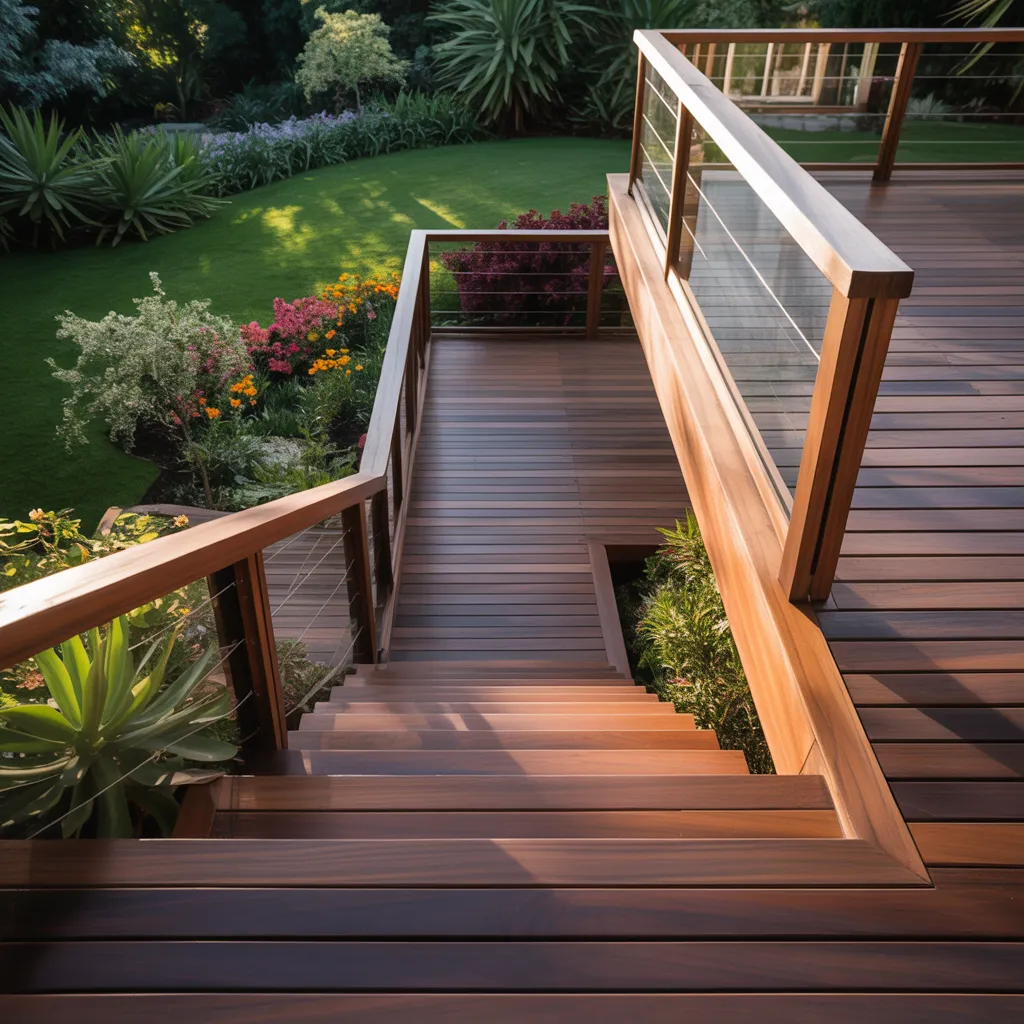
How to Plan Your Dream Deck: Essential Steps
Designing a ideal deck commences with a well-defined vision and thoughtful organization. The initial phase requires assessing the available space and defining the deck's purpose, whether for hosting guests, leisure, or family gatherings. Subsequently, homeowners should consider the aesthetic choices and construction materials that align with their house's style and aesthetic vision. Creating a rough design can make it easier to picture the final result, incorporating elements like benches, fencing, and garden features.
Researching regional construction guidelines and requirements is crucial to sidestep problems that may arise during the build. Additionally, establishing a budget will guide material choices and construction techniques. Residents should also think about future maintenance and durability, choosing materials well-suited to their regional environment. Lastly, consulting with professionals or experienced friends can offer helpful guidance, securing a thoughtful blueprint that addresses both usability and design preferences. With careful planning, the perfect deck can evolve into a charming and welcoming addition to the residence.
Key Tools for Your Deck Installation
A successful deck installation needs a well-equipped toolkit. Key tools consist of a circular saw for precise cuts, a power drill to fasten and secure all components, and a measuring tape to guarantee accurate dimensions. A level is vital for maintaining even surfaces, while a framing square aids in maintaining correct angles while assembling.
Additionally, a hammer proves helpful for manual adjustments or tapping in fasteners, and a pry bar helps with extracting old materials when needed. Safety gear, such as gloves and goggles, must not be ignored, ensuring safety throughout the installation process.
For a professional finish, the use of a sander is recommended for smoothing edges, and a chalk line helps mark straight lines for layout. Keeping these tools available not only simplifies the installation procedure but also promotes a sturdy and attractive deck. Using the appropriate tools during preparation is essential for successful deck building.
Picking Materials for Your Deck Installation: Wood vs. Composites
When deciding on deck installation materials, the selection between wood and composites heavily influences durability, aesthetic appeal, and maintenance needs. Both options offer unique benefits and challenges that homeowners need to evaluate. Recognizing these considerations can guide an informed decision for a visually attractive and long-lasting deck.
Resilience And Long-Term Durability Factors
Selecting the right options for installing a deck greatly impacts its long-term performance and lifespan. When considering wood, options including cedar and redwood provide natural resistance to decay but may require regular maintenance, including sealing and staining. Over time, they can be prone to warping and splintering. In contrast, composite materials, consisting of a blend of recycled plastics and wood fibers, deliver improved durability. They hold up against fading, staining, and scratching, demanding less upkeep. However, quality can vary considerably among brands, so thorough research is essential. At the end of the day, selecting either material involves weighing the initial cost against long-term performance, maintenance requirements, and environmental factors to ensure the deck withstands the elements and regular use for years to come.
Aesthetic Design Considerations
The aesthetic appeal of a deck significantly impacts its total value and appeal. When deciding on materials, homeowners often weigh the visual characteristics of wood against those of composite materials. Natural wood radiates warmth and character, offering deep textures and hues that can enhance a property's charm. However, it requires careful selection of species to secure lasting performance and resistance to environmental elements. Alternatively, composite materials offer a consistent appearance and a more extensive palette of colors, attracting those who prefer contemporary aesthetics. They can simulate the aesthetic of wood while providing dependable quality. Ultimately, the choice between wood and composites copyrights on individual style preferences and the intended atmosphere, defining the framework for the deck's overall visual effect.
Maintenance Requirements Summary
Picking materials for deck installation demands careful consideration of upkeep needs, which can vary greatly between wood and composite options. Wood decks usually demand regular staining, sealing, and cleaning to prevent insect damage, rot, and warping. As time passes, they may exhibit wear, calling for more frequent repairs and replacements. On the other hand, decks made from composite materials have been built for long-lasting performance and demand little ongoing care. These materials resist staining, fading, and splintering, and generally require only occasional washing with soap and water. Even though composite options may cost more initially, their minimal care requirements can generate significant savings over time. Ultimately, your selection of wood versus composite will heavily affect the continuing upkeep demands and expenses tied to owning a deck.
Step-by-Step Deck Installation: From Foundation to Finish
An effective deck installation demands thorough planning and careful implementation, making certain all steps are completed with accuracy. Everything starts with selecting an appropriate site, taking into account elements like sunlight and drainage. Next, the foundation is laid, typically employing concrete footings to provide stability. Grading the ground is critical to create a level surface for the overall deck construction.
Once the foundation is established, framing is constructed using pressure-treated wood, creating the structural framework of the deck. This structural framework must be carefully aligned and firmly secured. After the framing, deck boards are placed, generally in an offset pattern to improve both appearance and longevity.
Next, railings and stairs are installed, adhering to local building codes for safety. Finally, finishing touches, like sealing or applying stain to the wood, safeguard against weather conditions and prolong the deck's life. Properly completing these steps results in a durable, attractive outdoor space that meets the homeowner's needs.
10 Common Mistakes to Avoid When Building Your Deck
Constructing a deck can be a fulfilling endeavor, but various obstacles can occur along the way. One typical oversight is ignoring local building codes, which can lead to fines or forced removal. Another frequent error is inadequate planning, resulting in a design that doesn't fit the space. Selecting inappropriate materials can likewise undermine longevity and visual appeal.
Neglecting proper foundation work is a major error, as it can cause structural instability. Furthermore, ignoring proper drainage solutions can lead to water damage eventually. A large number of builders disregard the critical nature practical tips of railing height and load capacity, creating significant safety hazards. Incorrectly measuring dimensions can result in wasted resources and higher expenses.
Finally, not allowing for material expansion and contraction can cause warping. By being aware of these key mistakes, deck builders can accomplish a high-quality deck installation that addresses both practical and visual goals.
How to Maintain Your Deck in Top Condition for Years?
Keeping up the appearance of a deck necessitates consistent effort and attention. Routine cleaning methods, combined with periodic maintenance strategies, are vital for protecting its longevity and appeal. By adopting these practices, property owners can be confident their deck remains a welcoming outdoor area for years to come.
Common Cleaning Practices
Preserving a deck in top condition demands consistent cleaning methods that prevent dirt, mildew, and stains from taking hold. Experts suggest cleaning the deck with a broom each week to eliminate debris and reduce buildup. For deeper cleaning, a combination of mild detergent and water can be worked in using a gentle-bristle brush, guaranteeing that all areas are thoroughly cleaned. Washing the surface completely after cleaning is critical to avoid soap residue. When mildew appears, a blend of white vinegar and water can efficiently remove it without the need for harsh products. Moreover, operating a pressure washer with care can get rid of persistent stains, but the pressure should be kept low to prevent damage. Regular maintenance promotes longevity, ensuring the deck remains an attractive outdoor space for years to come.
Seasonal Upkeep Advice
Although many homeowners focus on cleaning their decks, routine seasonal care is vital for protecting their look and usability. To promote durability, it is recommended to check the deck for any indications of wear or deterioration at least two times per year. This involves looking for loose boards, corroded nails, or unstable railings. Using a protective coating every couple of years can defend against moisture and sun damage. Furthermore, in autumn, homeowners should remove fallen leaves and debris to avoid mold formation. Throughout winter, snow removal should be done carefully, refraining from using metal shovels that might scratch the deck. By implementing these seasonal care recommendations, homeowners can ensure their decks remain attractive and fully functional for many years to come.
Deck Design Features and Accessories to Elevate Your Outdoor Space
To create a truly inviting outdoor space, homeowners regularly evaluate numerous design elements and additions that can improve the general attractiveness of their decks. Adding built-in seating solutions, such as seating benches or built-in planters, not only makes the most of the area but increases usability. Adding shade options, like decorative pergolas or adjustable awnings, can provide relief on bright sunny days. Ornamental railing systems, ranging from classic wood to modern metal designs, not only enhance safety but also add significant visual appeal.
Lighting is another essential feature; string lights or integrated LEDs can establish a cozy atmosphere for nighttime entertaining. Furthermore, exterior rugs and cushions provide comfort while enabling personalization. Finally, integrating greenery through potted plants or vertical gardens can breathe life into the space, making the deck a serene retreat. Through the careful curation of these features, homeowners can convert their decks into elegant and welcoming outdoor escapes.
Commonly Asked Questions
What Permits Are Needed for Deck Installation in My Area?
To establish necessary permits for deck installation, it is advisable to consult local building authorities. Rules differ depending on location; in most cases, permits are necessary for electrical, structural, or plumbing projects, confirming compliance with local safety and zoning requirements.
How Can I Select the Right Contractor for My Deck Project?
To choose a contractor for a deck project, researching local professionals is essential, confirm references, confirm licenses and insurance, look over past completed work, and obtain multiple quotes to confirm quality and a strong return on the investment.
Is Installing a Deck on Uneven Ground Possible?
Yes, a deck is able to be installed on uneven terrain, but adequate planning and proven techniques are critical. Available options include utilizing adjustable post supports, constructing a multi-level deck, or leveling the ground before installation to maintain structural stability.
What Is the Average Price of Deck Installation?
The standard cost of installing a deck generally falls from $15 to $35 per square foot, influenced by material choices, design intricacy, and regional labor rates. This estimate includes both materials and labor for a full installation project.
How Much Time Does Deck Installation Usually Require?
Deck installation typically takes one to three weeks based on the complexity, size, and materials involved. Weather conditions and crew availability can also influence the timeline, significantly impacting the overall duration of the project.